tanawoot post
February 12, 2026Story & Photo — Kriskorn W.
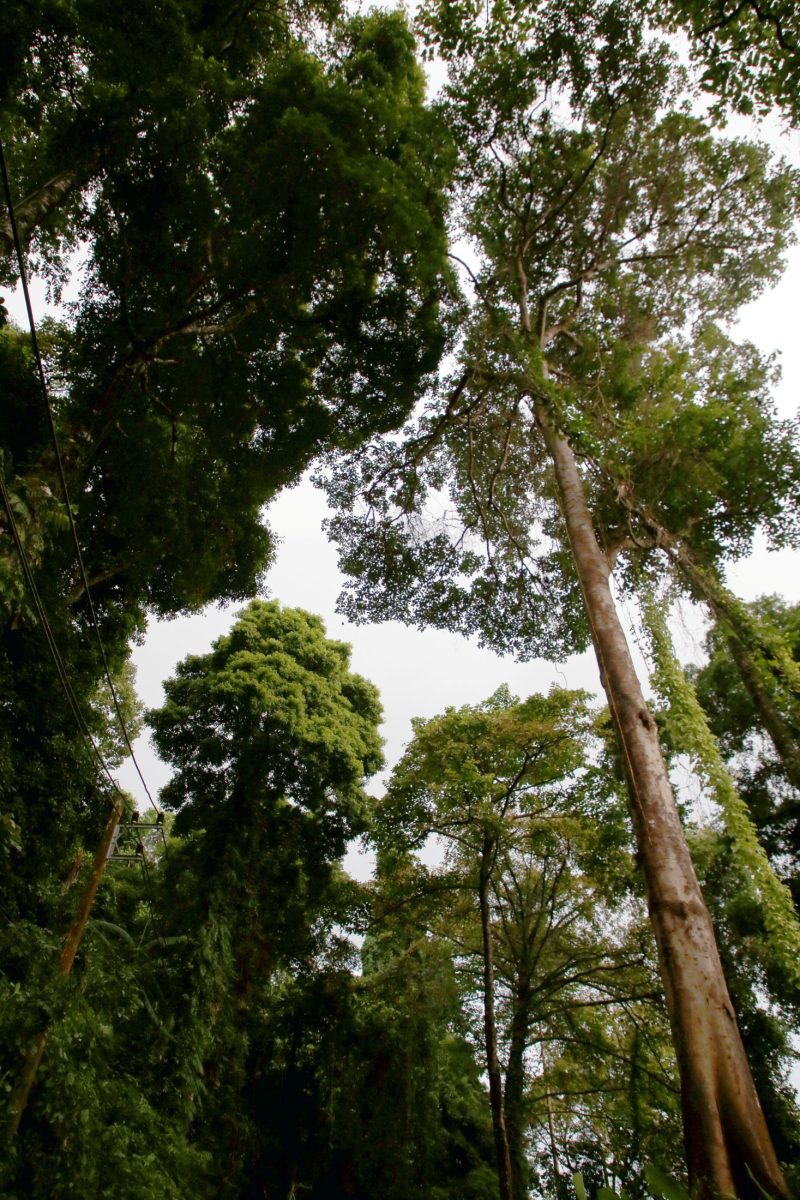
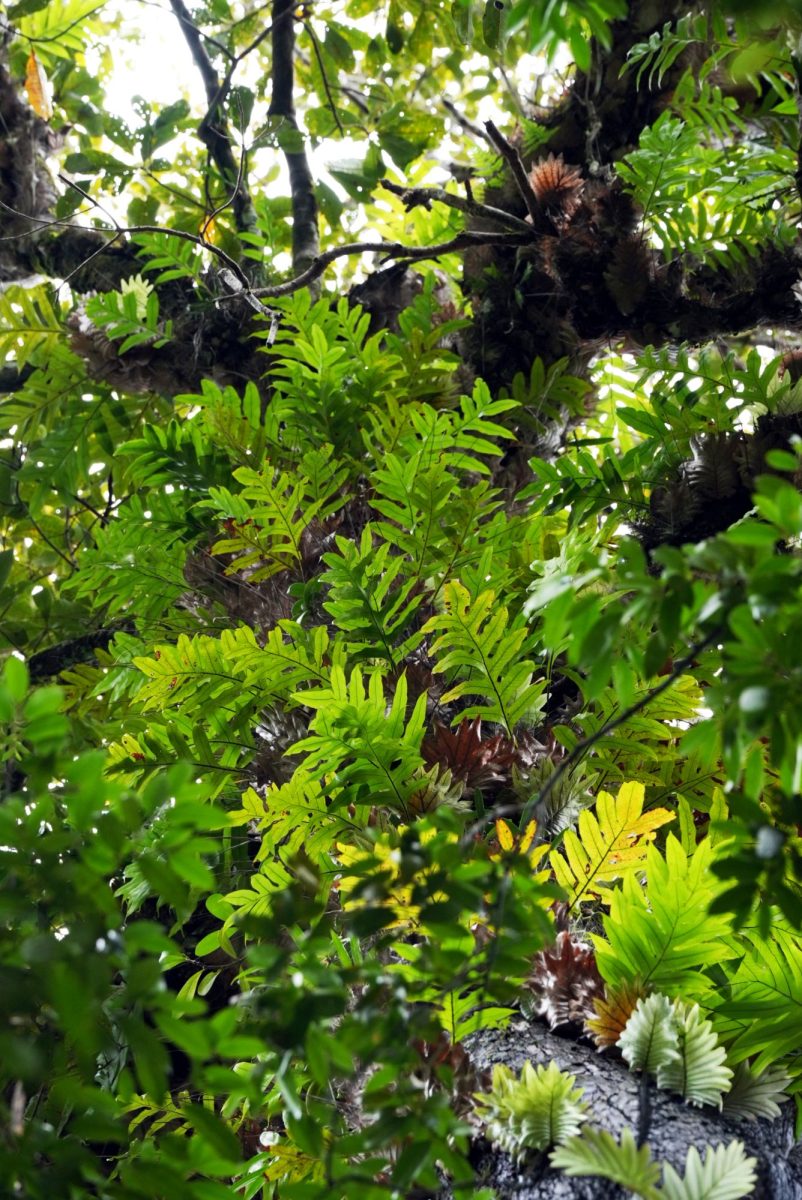
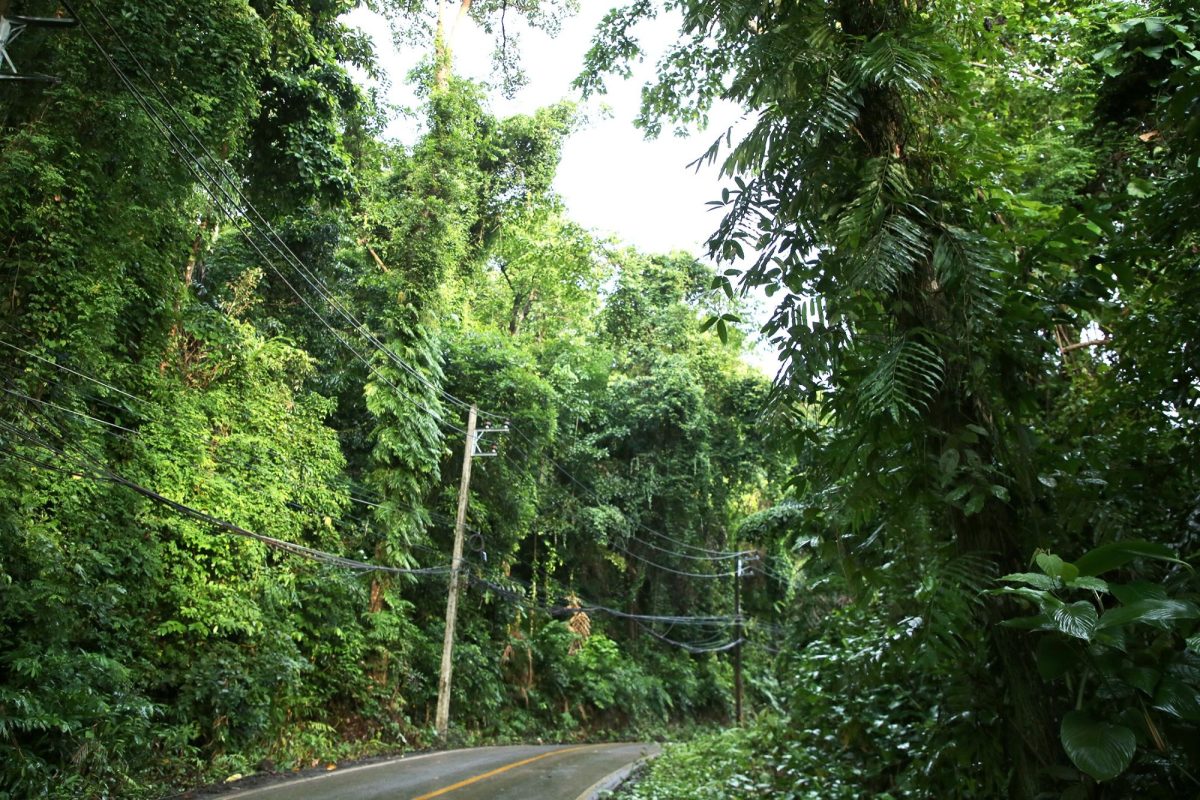
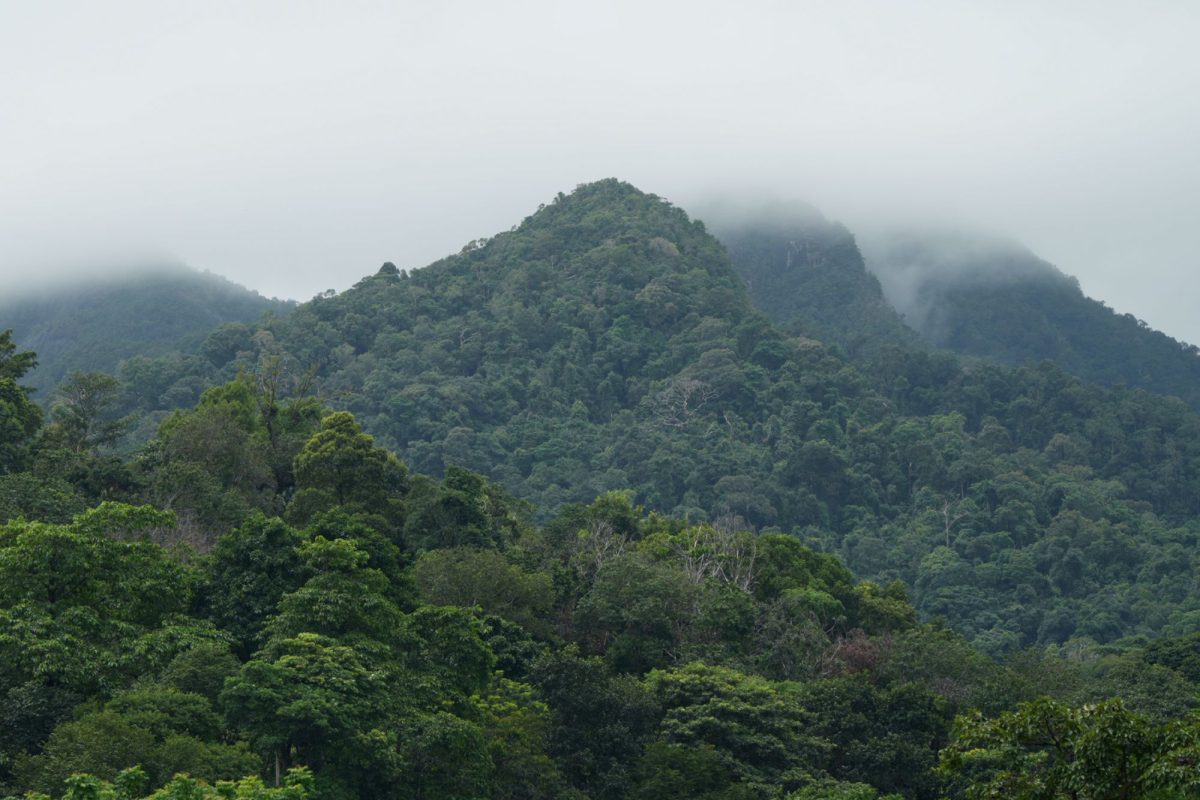
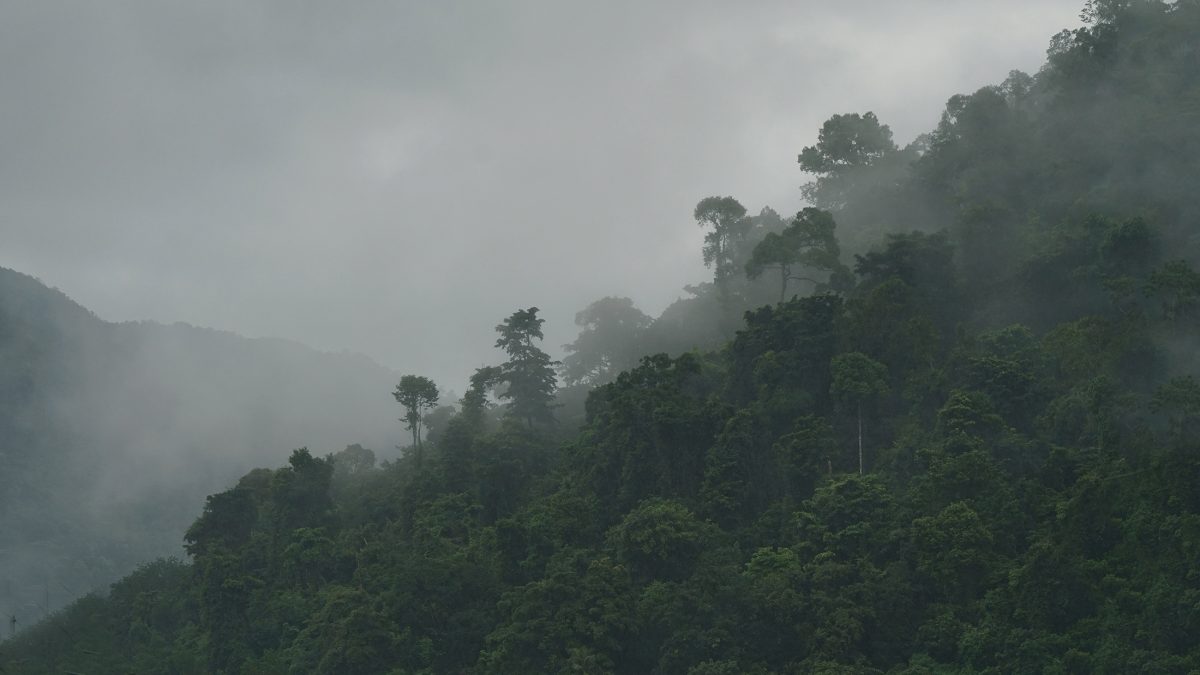
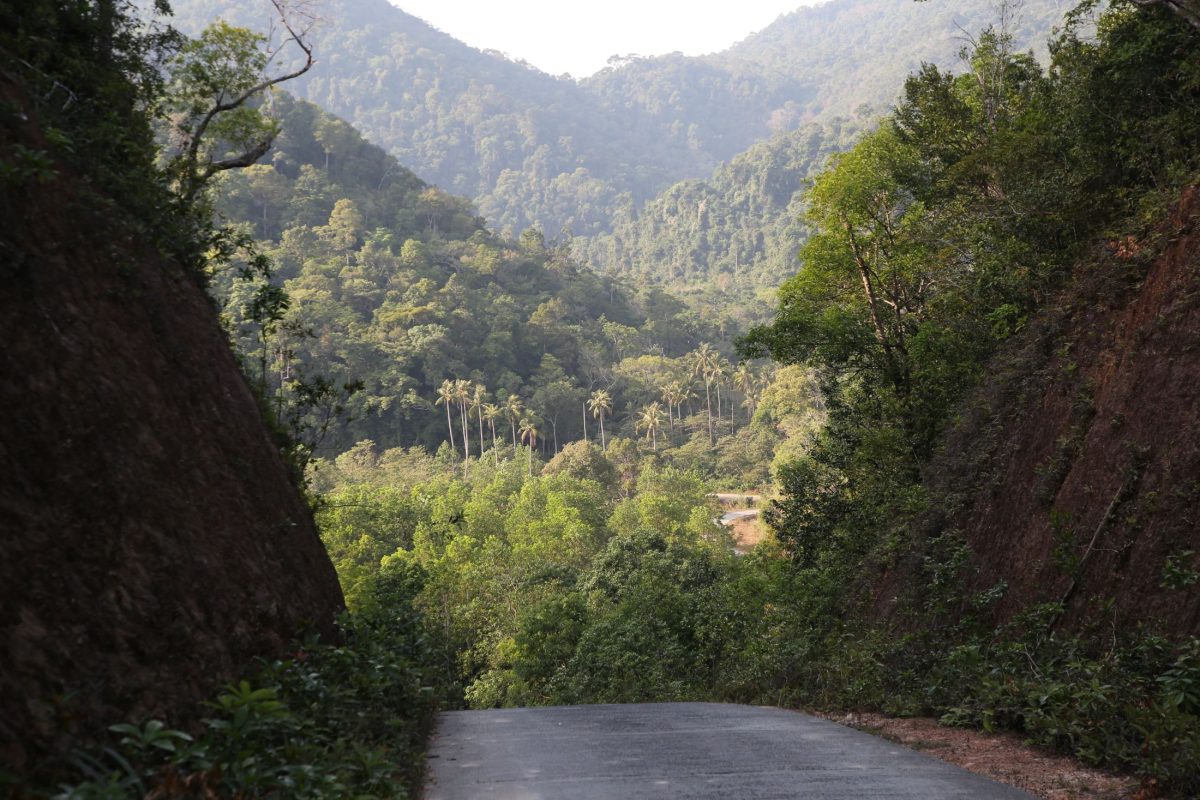
The most noticeable scene out of Koh Chang’s turquoise sea is the deep green, shaded forest canopy that may be found at intervals along both sides of the twirling challenging, steep roadways. The woodland is dominated by towering emergent trees with massive crown foliage. And these trees are solidly anchored with massive buttress roots.
This is due to the fact that this type of moist evergreen forest once covered over 80% of Koh Chang’s territory and currently still occupies at least 70% of the island’s area.
Looking out into the mountain ridge, you’ll notice dense lines of massive trees. The hillslope is also covered in several shades of green that vary through time. This natural environment can be found within a minute’s drive from crucial tourist sites, yet even in the busiest locations, large trees coexist quietly.
Koh Chang is recognized as the island with the most extensive continuous evergreen forest in the Gulf of Thailand and is significantly larger and more continuous than many other protected areas on the mainland.
Koh Chang’s enormous rainforest benefits the island in a variety of ways—Travel & Leisure magazine selected it as the world’s second best tropical destination in 2024, behind only the Maldives. The island’s extensive rainforest provides convenience and safety due to its moderate weather. You may have noticed that the water in Koh Chang’s streams is crystal clear, clean, and pure enough for a relaxing bath because there is less soil erosion than in other watersheds.
Despite its steep slopes, Koh Chang has relatively few emergencies, like as landslides and flash floods during the annual monsoons. This is because the natural system is protected by a continuous and spontaneous rainforest.
The moist evergreen forest on Koh Chang still has hidden delights for you to discover indefinitely, which our page will constantly reveal.
The overall picture of the development of the rainforest on Thailand’s most prosperous island; Koh Chang also has an intriguing natural history since the forest has evolved in tandem with geological changes. Geological changes have occurred over more than 200 million years since the Chanthaburi mountain range was formed by the collision of the Shan-Thai tectonic plate with the Indochinese landmass, resulting in the eruption of extrusive igneous rocks and becoming the country’s major mountain range from north to east, including the mountain range that is the origin of Koh Chang.
The previous collision occurred 10 million years ago, in the early Tertiary era, when the Indian and Eurasian plates clashed, creating geological changes that had a direct influence on the evolution of Southeast Asia’s flora and fauna.
This natural environment can be found within a minute’s drive from crucial tourist sites, yet even in the busiest locations, large trees coexist quietly.
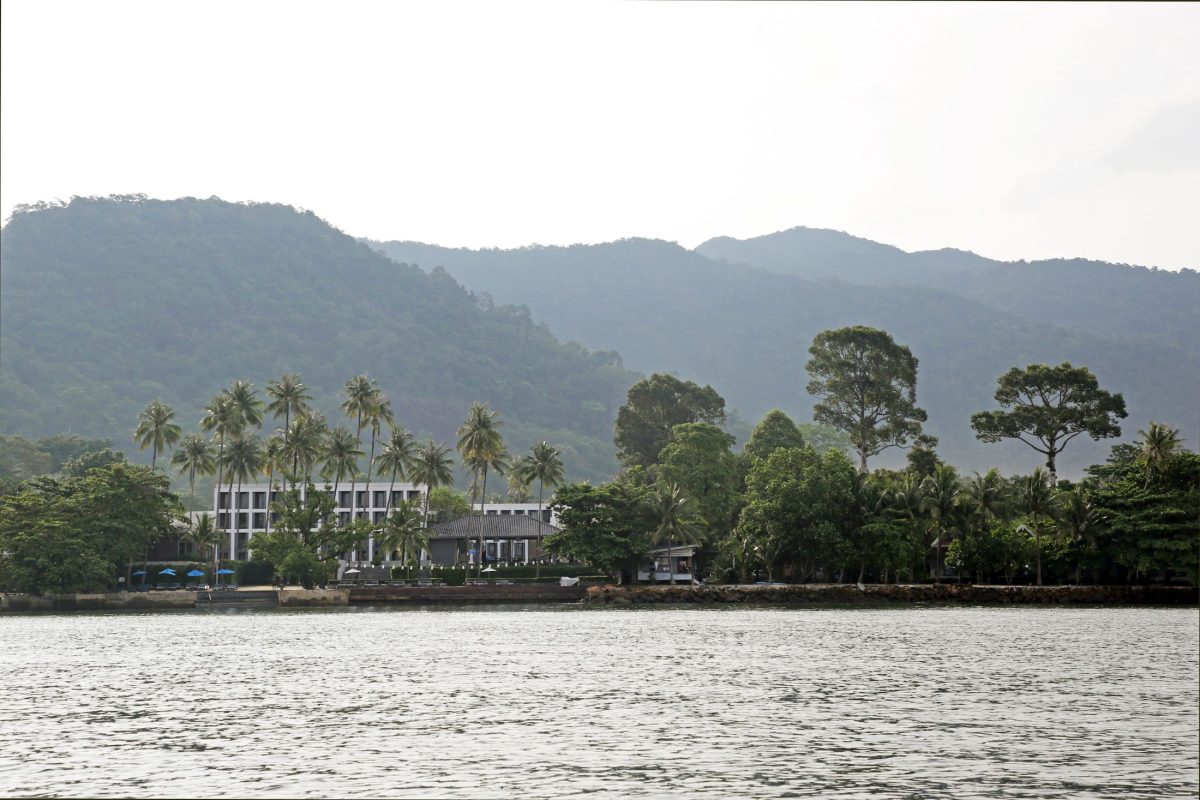
During the last ice age in the Pleistocene, the tropical forests in this region, which are adjacent to the equator, were less affected, and evolution persisted, resulting in Southeast Asia’s tropical forests being one of the planet’s oldest.
Koh Chang is the southernmost mountain of the Chantaburi mountain range, streching to the northern section of the Sunda Shelf, a pre-glacial plain. During the Holocene epoch, around 10,000 years ago, the polar ice glaciers began to melt due to the natural greenhouse effect. This phenomenon caused the sea level to rise, gradually flooding the Sunda Shelf. Koh Chang was surrounded by water and finally became the largest island in Thailand’s northern Gulf.
A distinctive characteristic is that Koh Chang was originally a primary forest on the mainland. It became an island just 10,000 years ago and has since attained substantial size. Koh Chang supports a healthy rainforest ecology, offering enthusiasts of tropical plants access to the diverse flora native to the Eastern Thailand rainforest within a compact area.
It resembles an exceptional botanical garden that maintains the wildness and fragility of a balanced ecosystem, carefully preserved by nature, therefore making it hard to find a comparable place.